10 Lessons I Learned Renovating Our First Airbnb
Renovating our abandoned stone house in just four months taught me many lessons about designing a space for guests.
Some came from working with a limited budget.
Some came from solving structural challenges along the way.
And some came from choosing comfort over maximum occupancy — and watching that decision pay off in guest reviews.
If you’re planning an Airbnb renovation project, here are the lessons I wish I had known from the beginning.
Lesson 1: Comfort Over Capacity Wins Every Time
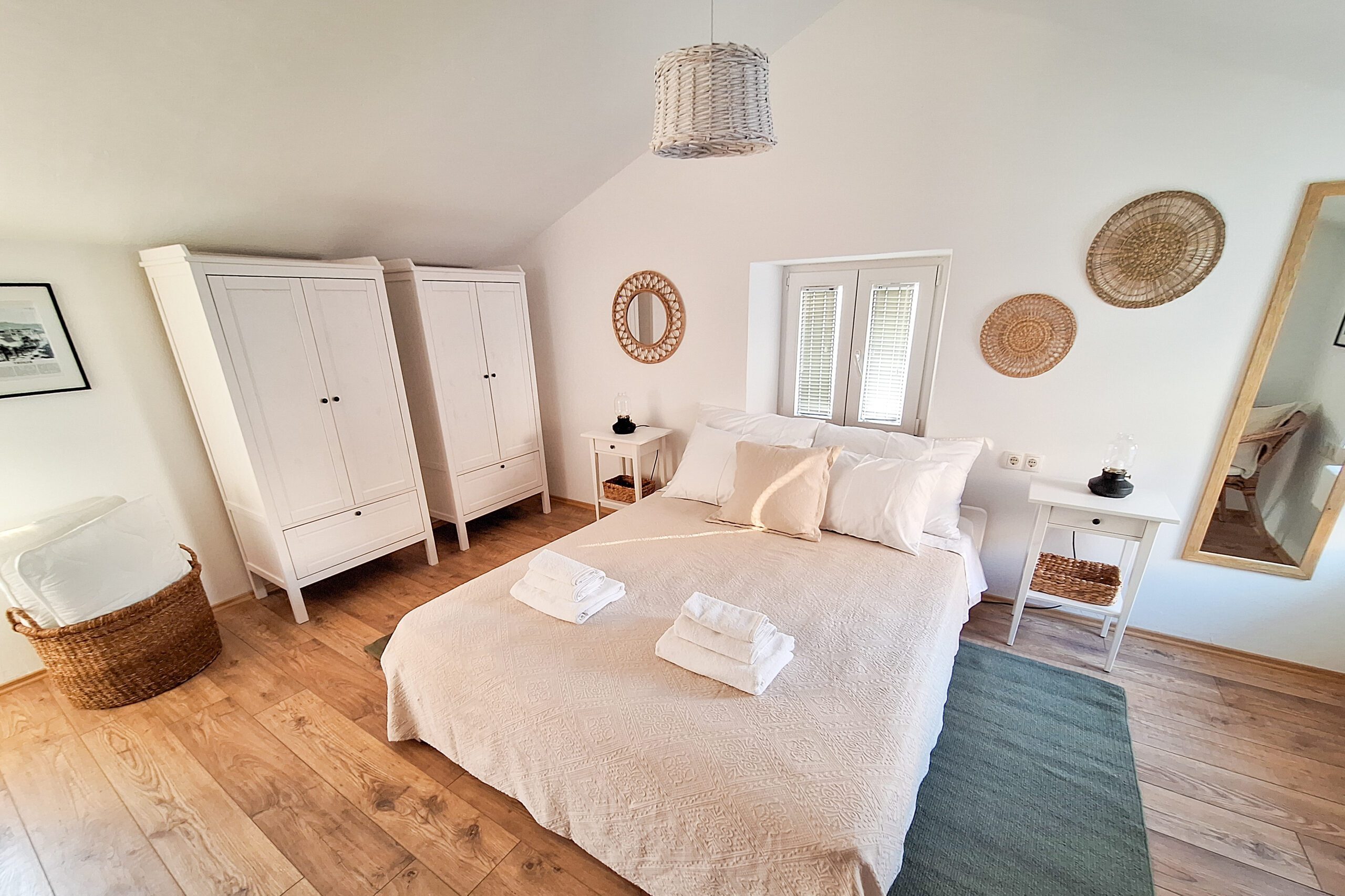
Originally, the second floor of our house contained two small bedrooms.
We could easily have kept that layout and marketed the property as sleeping more guests.
Instead, we removed the wall and created one spacious bedroom.
Yes, it reduced our capacity.
But it transformed the guest experience.
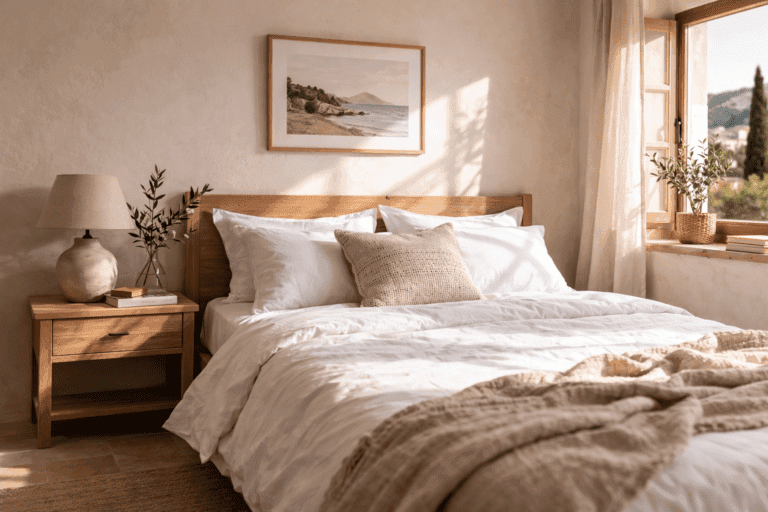
Guests repeatedly mentioned the bedroom in reviews, describing it as airy, comfortable, and relaxing.
That decision taught me something important:
Maximizing occupancy may increase potential revenue on paper, but comfort creates better guest experiences — and better reviews.
Lesson 2: Low Ceilings Require Creative Storage Solutions
Our attic bedroom had sloped ceilings, which meant most wardrobes were far too tall.
After searching endlessly, I found the perfect solution in an unexpected place: IKEA’s SUNDVIK wardrobe, designed for children’s rooms.
At 170 cm tall, it fit perfectly under the ceiling.
Children’s furniture is often:
• shorter
• simpler in design
• more affordable
Sometimes the perfect solution lives in the “wrong” category.
Lesson 3: Work Around Structural Challenges
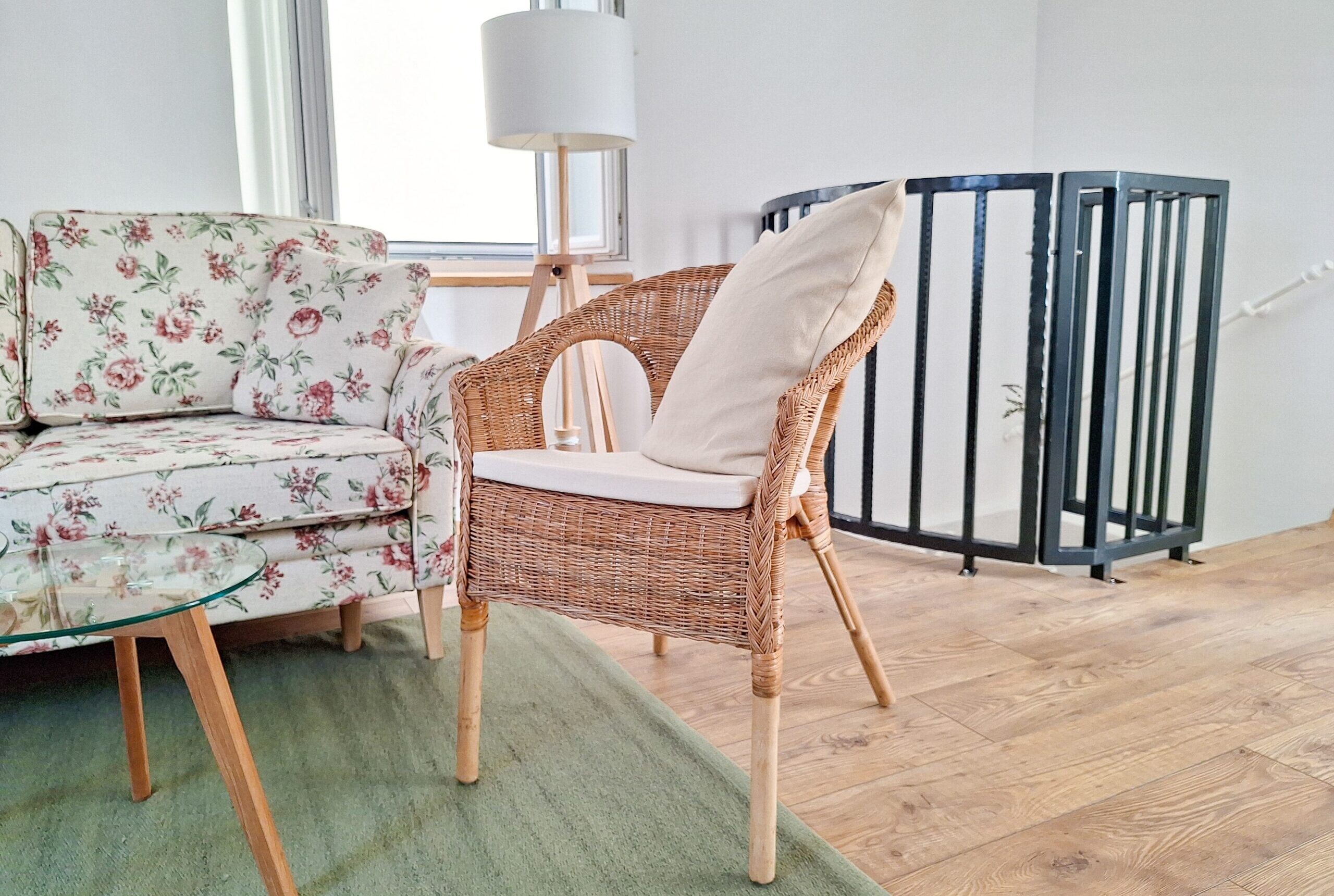
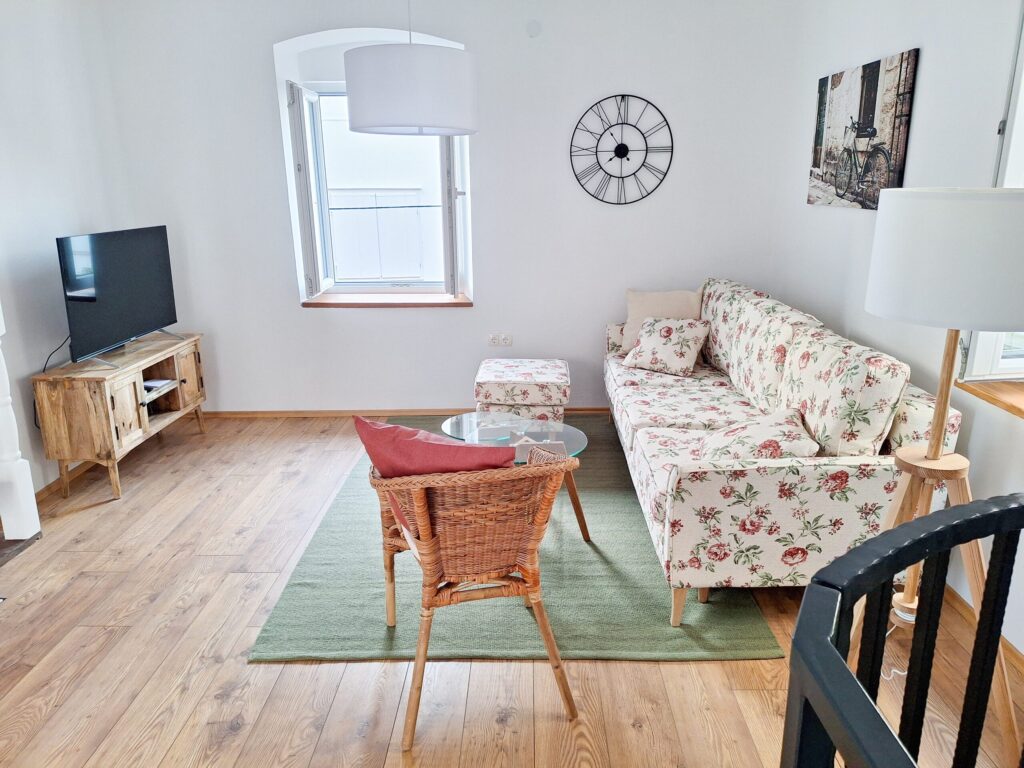
Our living room had two staircases cutting through the space.
Rebuilding them would have been expensive and time-consuming.
Instead, we designed around them.
The sofa was placed along the longest uninterrupted wall, while lightweight furniture kept the space visually open.
The awkward corner near the stairs became a cozy storage bench seating area.
Interestingly, guests often mentioned the staircases as charming and authentic.
Sometimes what feels like a design limitation becomes part of a space’s character.

Lesson 4: A Small Budget Can Lead to Better Design
By the time we reached the kitchen renovation stage, our budget was tight.
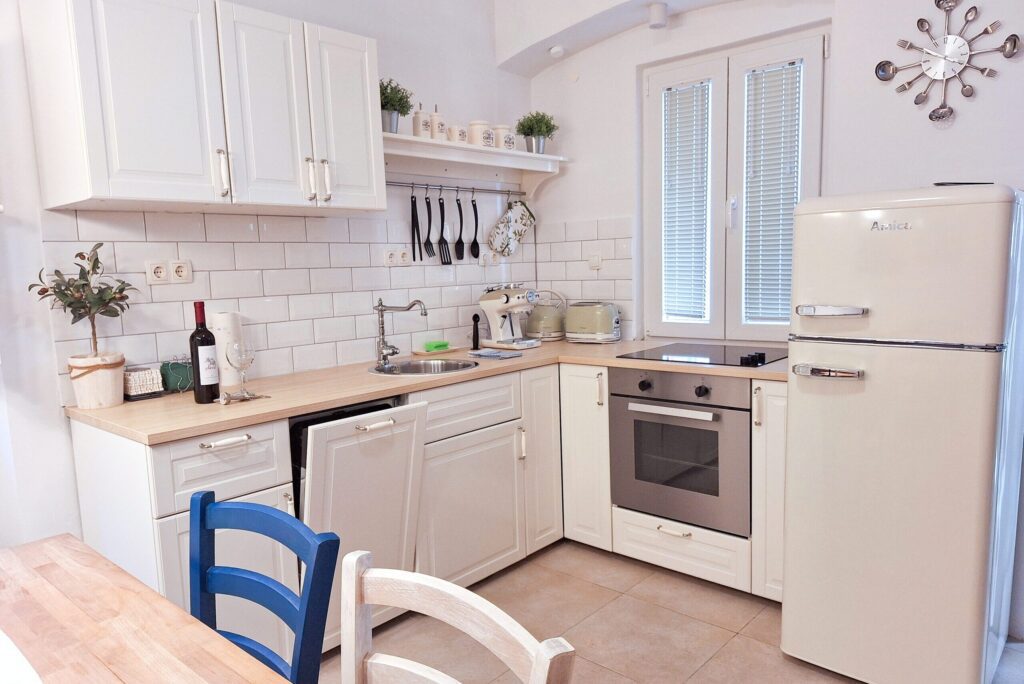
Instead of custom cabinetry, we used IKEA’s Method system.
We kept the existing table and chairs.
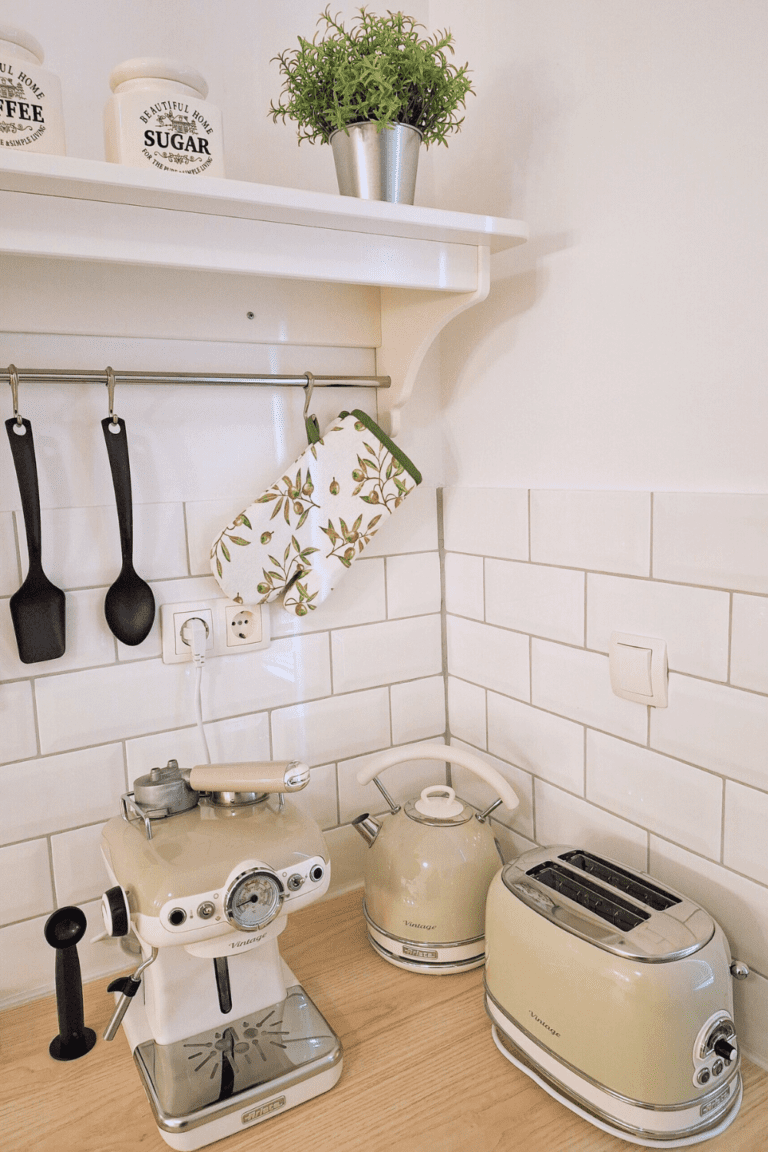
Small vintage appliances added character without large costs.
In the end, the kitchen became one of the most loved spaces in the house.
Budget constraints forced us to be intentional.
Every item had to justify its place.
And that often leads to better design decisions.
Lesson 5: Airflow Matters More Than Perfect Insulation
When we first entered the house, mold covered the walls and furniture had rotted from trapped moisture.
The cause?
Plastic windows sealed tightly for years without airflow.
Stone houses need to breathe.
After cleaning and renovating, we prioritized ventilation and natural airflow throughout the house.
In Mediterranean climates especially, airflow often matters more than airtight insulation.
Lesson 6: One Hero Piece Per Room Is Enough
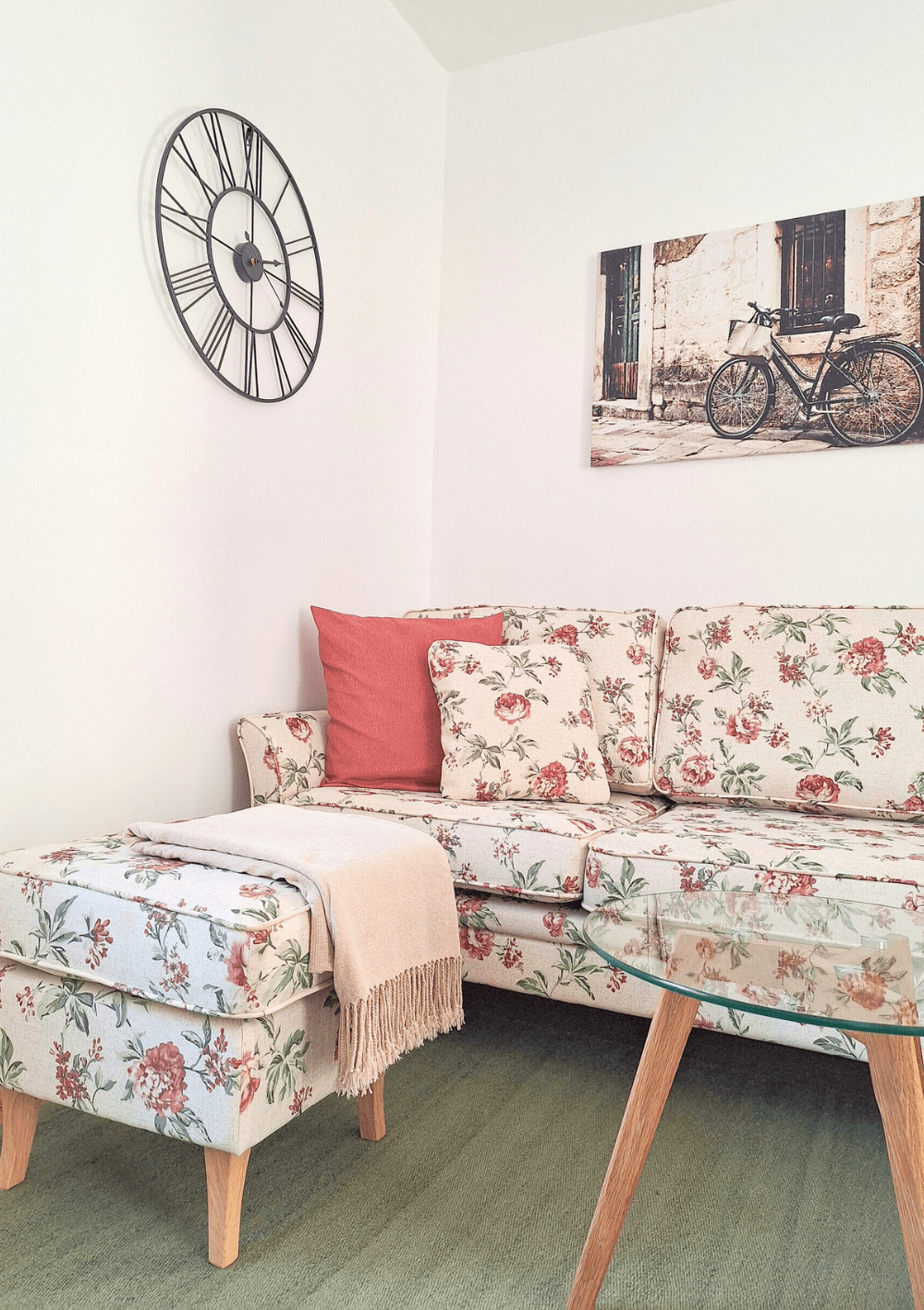
In every room, one piece became the focal point.
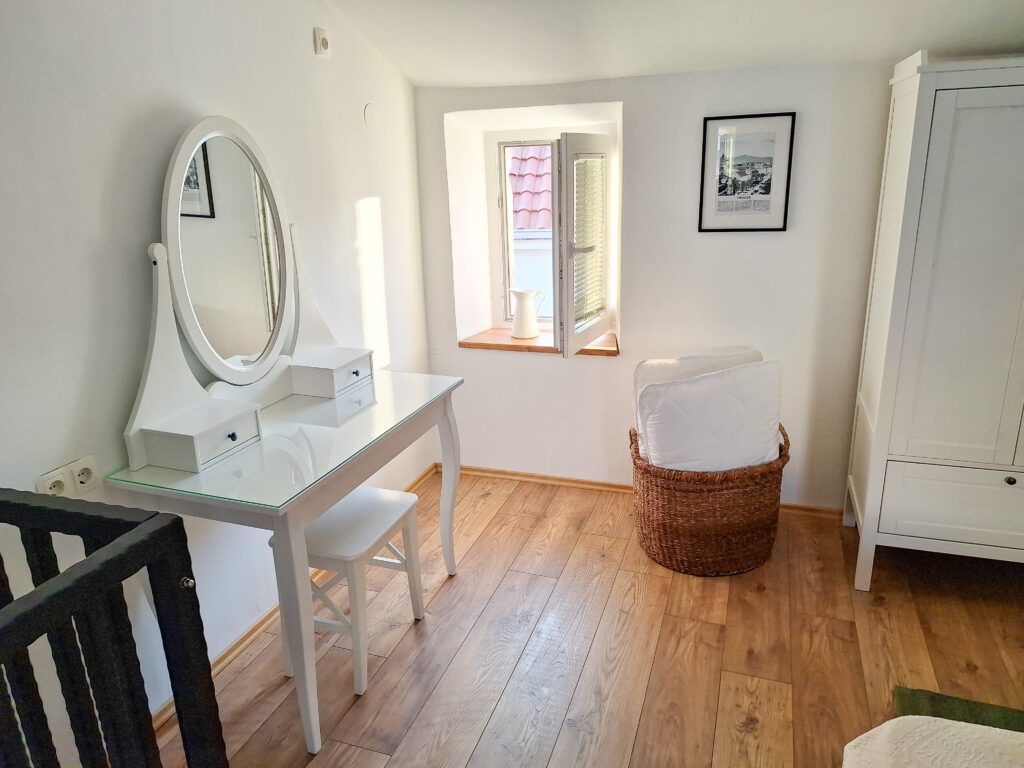
Bedroom — the HEMNES dressing table
Living room — the floral sofa
Kitchen — the vintage cream refrigerator
Everything else remained simple and supportive.
Too many statement pieces compete for attention.
One strong focal point creates balance and clarity.
Lesson 7: Natural Materials Make Small Spaces Feel Larger
Throughout the house, I used natural materials:
• wood
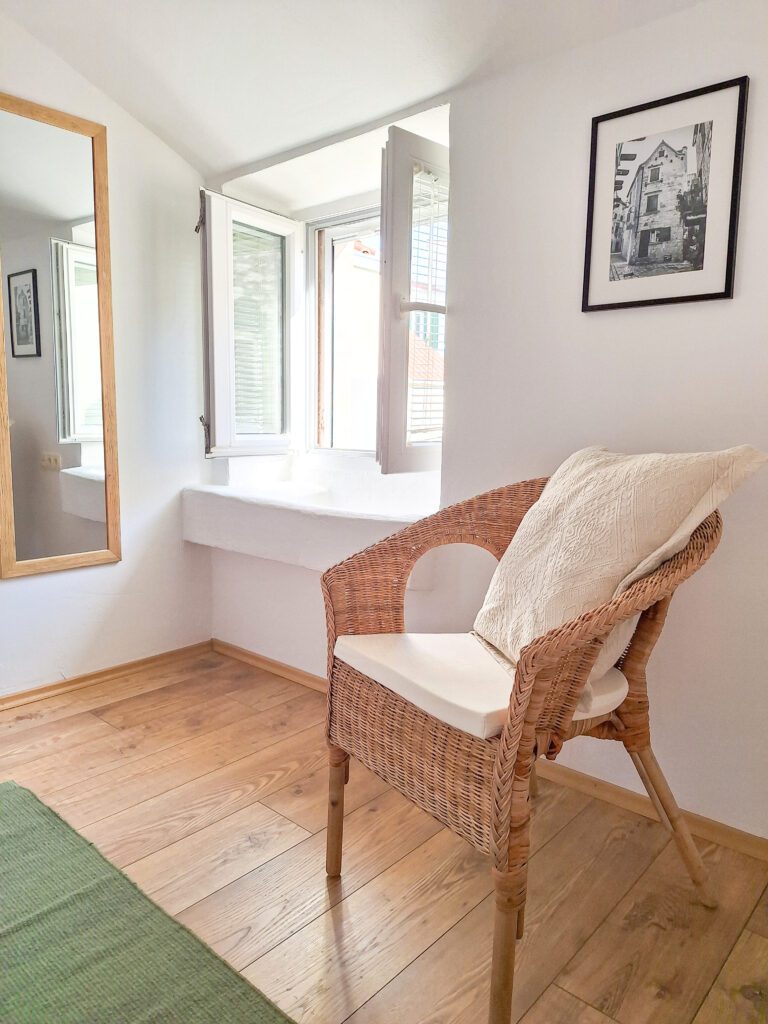
• rattan
• cotton
• linen
Rattan armchairs feel lighter than upholstered ones.
Glass tables provide function without visual weight.
Natural materials help small spaces feel breathable and calm.
Lesson 8: Bathrooms Don’t Need Perfection
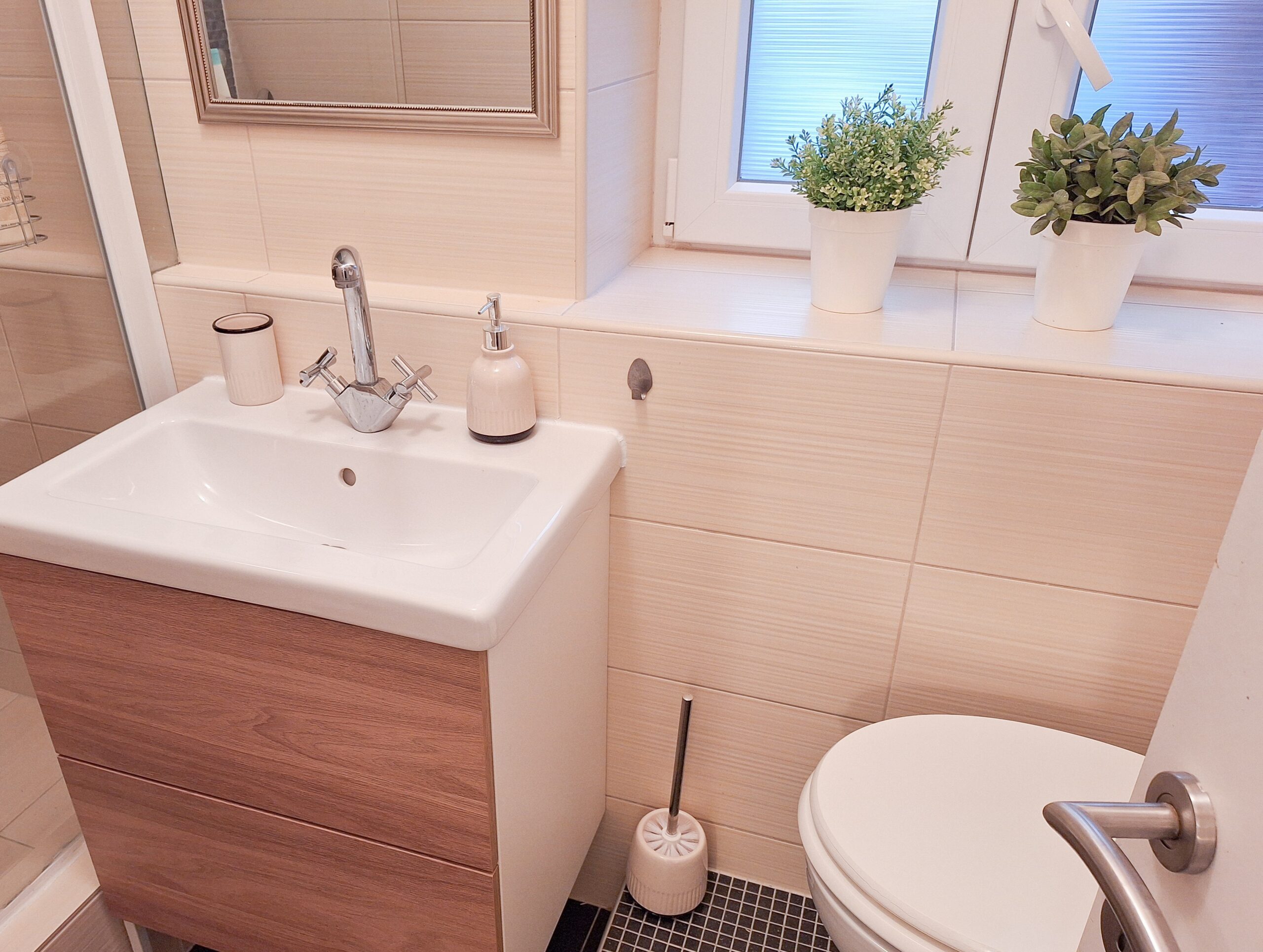
Because of time constraints, we left the bathrooms mostly unchanged.
After deep cleaning, we simply added:
• soft towels
• thoughtful toiletries
• small greenery
Guests never complained.
They talked about the bedroom, living room, and kitchen instead.
If you’re renovating on a deadline, focus on the spaces that shape guest experience most:
- bedroom
- living areas
- kitchen
Bathrooms simply need to be clean and functional.
Lesson 9: Small Details Create the Boutique Feeling
The biggest difference wasn’t expensive furniture.
It was the small details:
• black-and-white photos of Trogir
• woven baskets
• linen textiles
• soft lighting
• vintage appliances
None of these were costly.
But together they created atmosphere.
Boutique design isn’t about budget.
It’s about intention.
Lesson 10: Guests Notice Everything
One of the biggest surprises was how many design details guests mentioned in their reviews.
They noticed the rattan accents.
The vintage appliances.
The photography on the walls.
The effort showed.
And they appreciated it.
The Real Lesson
Renovating our Trogir stone house wasn’t about creating something perfect.
It was about creating something intentional.
Despite a tight budget, limited time, and many structural challenges, we created a space that guests described as thoughtful, calm, and beautifully designed.
The house reached a 9.8 rating on Booking.com and became a place travellers genuinely loved.
Not because we spent a fortune.
But because every decision had a purpose.
If you’d like to see the full story — from abandoned stone house to boutique Airbnb — you can read the complete renovation journey here.
And if you’re designing your own rental space, my free guide 9 Simple Upgrades for Better Guest Reviews shares the small details guests notice most.
Because great guest experiences rarely come from expensive design.
They come from thoughtful choices.
Want to create a stay guests truly remember?
The Cosy Stay Guide shares the practical principles behind thoughtful interiors, guest experience, and calm hosting systems.